
When negotiating a commercial lease, one of the most important yet often overlooked items is the Tenant Improvement Allowance (commonly called TI or TIA). This allowance from the landlord to customize your leased space can significantly affect your build‑out costs, cash flow, and operational start‑up. Understanding what TI covers, what it doesn’t, and how to negotiate can give you a major advantage — whether you’re a tenant or a landlord.
This article walks through how TI allowances work in commercial real estate (CRE), the key negotiation strategies, and how you can use a smart furniture subscription plan to reduce upfront cost when moving into your newly improved space.

What Is a Tenant Improvement Allowance?
In simple terms, a Tenant Improvement Allowance (TIA) is a pre‑negotiated sum (or per‑square‑foot credit) that a landlord agrees to provide to a tenant for the purpose of building out or improving the leased premises. Commercial Real Estate Loans+2Cushman & Wakefield+2
Often the allowance is expressed as a dollar amount per rentable square foot (for example, $20 / sq ft) or a lump‑sum figure (for example, $50,000) depending on the size of the space, the condition of the shell, the market demand and the lease term. The Cauble Group+1
From the tenant’s perspective, the TI allowance helps reduce the initial out‑of‑pocket cost of converting a raw or “shell” space into one that meets their brand, functional and operational needs. From the landlord’s perspective, offering a TI allowance is a leasing incentive to attract quality tenants, negotiate longer lease terms and improve the building’s overall value. Cushman & Wakefield+1
What TI Allows and What It Typically Doesn’t
What TI Covers
A well‑negotiated TI allowance will cover items such as:
- Interior construction: new walls/partitions, ceilings, flooring, doors, windows Cushman & Wakefield+1
- Mechanical, electrical and plumbing work necessary to make the space functional (e.g., wiring, lighting, HVAC modifications) LoopNet
- Some soft costs: architectural fees, permitting, perhaps project management. Binary Stream+1
What TI Typically Does Not Cover
Understanding exclusions is critical, because exceeding the allowance can lead to unexpected costs. Common items not covered include:
- Furniture, fixtures & equipment (FF&E) – desks, chairs, modular workstations are often excluded. Cushman & Wakefield+1
- Technology infrastructure, data cabling, telecom (sometimes included if negotiated, but often excluded) LoopNet
- Operating expenses, relocations, business interruptions, brand signage (unless specifically negotiated) Luther Lanard, PC
In short: TI is meant to cover improvements that stay behind and benefit the building (and future tenants), not movable items tailored purely to your business.
Why TI Negotiation Matters for Tenants & Landlords
For Tenants
- Cash‑flow impact: A higher TI means less upfront cap‑ex required by the tenant, which improves liquidity and reduces initial burden.
- Scope of build‑out: With a meaningful TI you can negotiate higher quality finishes, branding touches and better layout.
- Risk mitigation: When space build‑out is expensive, a good TI cap reduces risk of overspending or paying “your own incentives”.
For Landlords
- Attracting tenants: Offering a competitive TI allowance makes your property more desirable and can reduce vacancy or improve tenant quality. Cushman & Wakefield
- Lease term leverage: A higher TI often correlates with longer lease commitments, lock‑in and reduced tenant turnover risk.
- Property upgrade: Tenant improvements may increase building value, modernize space and attract future tenants at higher rents.
Given these stakes, how you negotiate and structure the TI clause can make a material difference.
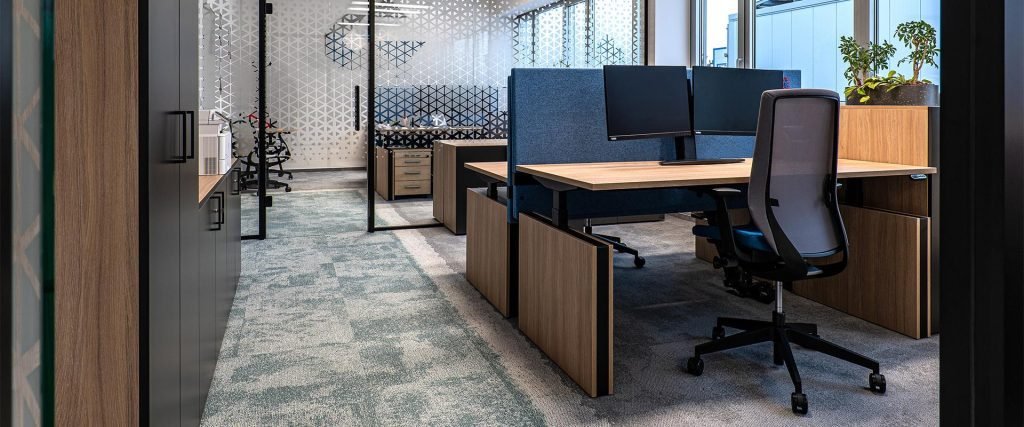
How to Maximize Your Negotiation Power with TI
Here are proven tactics to strengthen your negotiating position:
1. Know the Market & Your Leverage
Do your homework: understand what TI allowances are typical in your market for similar buildings (office/retail/industrial). When demand is tenant‑favored, you can ask for more. LoopNet
If you are a strong tenant (creditworthy, portfolio company, long lease term, desired location), you have more negotiating power.
2. Define Scope & Usage Broadly
Negotiate not just the dollar‑per‑square‑foot number, but the permitted uses of the allowance:
- Include architectural fees, permits and soft costs
- Seek credit for things the landlord might exclude (e.g., signage, moving costs) Nolo
- Ask whether unused allowance can be applied to other costs or credited back.
3. Clarify Payment Mechanism
Will the landlord pay contractors directly, reimburse you after completion, or provide rent abatement instead of cash? Some mechanisms can tax or delay benefits. Nolo
Ensure timetable and conditions are clear, including what triggers payment (liens released, certificate of occupancy) and what happens if costs exceed allowance.
4. Plan for Overages & Contingency
If your cost estimate exceeds the allowance, decide who pays the difference. Better to negotiate upfront than discover surprises after construction. Wall Street Prep
Consider building in a modest buffer or contingency for unexpected costs.
5. Link TI to Lease Term & Conditions
Often a larger allowance is justified by a longer lease term or higher rent. Understand the trade‑offs: more TI may mean higher base rent or fewer options to move/expand later.
Landlords may recoup their investment via rent or term length; tenants should calculate total cost of occupancy over the lease life.
Practical Example
Suppose you are leasing 5,000 sq ft of office space. The landlord offers a TI of $25/sq ft, so total allowance = 5,000 × $25 = $125,000. You estimate your build‑out cost at $150,000, so you must cover $25,000 extra. If you negotiate instead $35/sq ft, you’d get $175,000 — giving $25,000 extra margin.
The difference of $175k−$125k=$50k\$175k – \$125k = \$50k$175k−$125k=$50k may allow better finishes, improved technology wiring or more efficient layout — items that could boost productivity and employee satisfaction.
Why a Furniture Subscription Helps Tenants Moving In
After securing your TI and planning your build‑out, you will still need to furnish your newly improved space. This is where an office furniture subscription (furniture‑as‑a‑service) can provide a smart solution:
- Convert a large one‑time furniture CAPEX into a manageable monthly operational cost — preserving capital.
- Provide flexibility: if your team grows or shrinks, subscription services allow you to scale up or adjust without sunk cost.
- Align with TI exclusions: since TI often doesn’t cover furniture/FF&E, using a furniture subscription avoids overspending your TI budget and keeps those items off your improvement ledger.
- Reduce risk: fewer long‑term commitments for furniture if your business needs change within the lease term.
In short, when you negotiate a strong TI and pair it with a furniture subscription plan, you optimize both your build‑out cost and your operational flexibility.

Final Takeaways
● A Tenant Improvement Allowance is one of the most powerful negotiation levers in a commercial lease.
● Focus on amount, eligible uses, structure/trigger payments, and linking value to lease term.
● Understand what’s excluded (especially furniture/FF&E) so you’re not caught off‑guard.
● Consider pairing the TI with a furniture subscription model to preserve capital and remain flexible.
● Whether you’re a tenant or landlord, get the TI clause right — it impacts cost, value, and long‑term investment.
Looking to Buy, Sell, or Lease Office Space in Metro Phoenix?
Interior Avenue’s Easy Spaces program is here to help.
Serving Gilbert, Chandler, Mesa, Tempe, Queen Creek, San Tan Valley, and Apache Junction, we specialize in flexible, affordable, and fast office solutions for:
- Landlords
- Brokers
- Tenants
- CRE investors
Visit InteriorAvenue.online to schedule your free consultation today. Let’s transform your space into a thriving, income-generating suite—on your timeline, and your terms.