Choosing the Right Size Cubicle for Your Office
Choosing the Right Size Cubicle for Your Office isn’t always as simple as picking a desk and chair. In today’s workplace, the dimensions, panel height, and layout of cubicles influence everything from employee comfort to team productivity. With the rise of open offices, hybrid schedules, and department-specific needs, cubicle size plays a bigger role than ever.
This comprehensive guide walks you through the evolution of cubicle sizes, the most common workspace dimensions, and how to choose the best option based on your office environment and team structure. By the end, you’ll know exactly how to design a functional, productive, and future-ready layout.

Introduction to Modern Office Cubicle Sizing
The modern office leans heavily on flexible workspaces. Cubicles must support collaboration while still offering privacy. The right size cubicle ensures employees stay focused, comfortable, and energized throughout the day.
Choosing cubicles without understanding their sizes can lead to cramped offices, frustrated workers, and limited productivity. On the flip side, thoughtful sizing can completely transform your workspace.
Why Cubicle Size Matters for Productivity & Comfort
Impact on Workflow Efficiency
A well-sized cubicle ensures employees have room for laptops, monitors, storage, and paperwork. When workstations feel cramped, efficiency drops, and distraction increases.
Influence on Employee Well-Being
Comfort directly influences morale. Cubicles that are too small can make employees feel boxed in, while overly large cubicles waste valuable office space.
Evolution of Office Cubicles Over the Years
The First Generation (1960s)
Cubicles began with Herman Miller’s “Action Office” system, meant to give workers freedom and mobility.
Cubicle Farms of the 1980s–1990s
Companies embraced cubicle layouts but ignored the original vision, resulting in tight, uninspiring rows of gray walls.
Today’s Cubicles
Today’s cubicles are ergonomic, aesthetic, modular, and customizable—designed for comfort and efficiency.
Standard Office Cubicle Sizes Explained
Common Dimensions
- 6′×6′ — Ideal for general administrative staff
- 6′×8′ — Offers more room for equipment
- 8′×8′ — Common for managers or senior employees
Pros & Cons
| Size | Pros | Cons |
|---|---|---|
| 6′×6′ | Space-efficient | Limited storage |
| 6′×8′ | Versatile & comfortable | Needs more floor space |
| 8′×8′ | Excellent for multitasking | Higher cost |
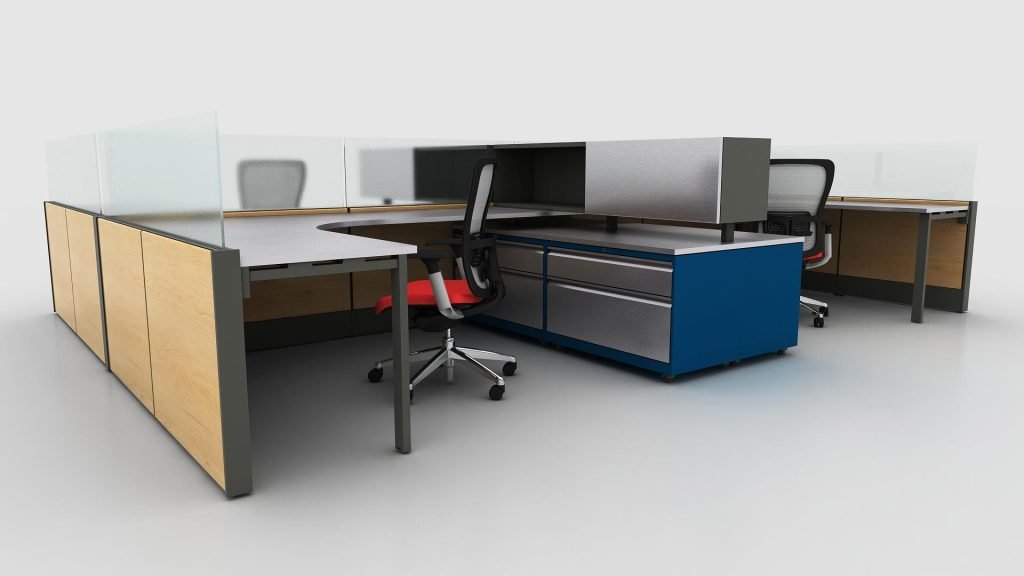
Call Center Cubicles & Small-Footprint Workstations
Common Sizes
- 4′×2′
- 5′×2′
- 5′×5′
These compact designs are ideal for phone-based departments and allow many workstations within limited space.
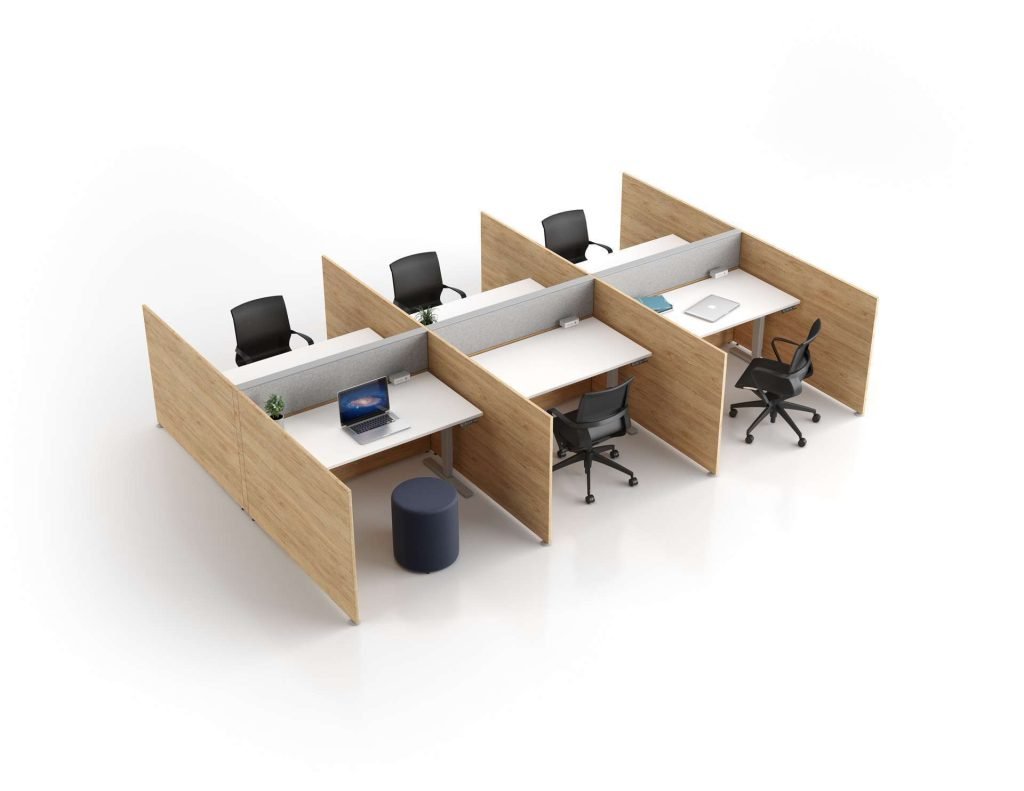
Modular Pack Cubicles for Team-Based Layouts
Common Packs
- Tri-Packs
- Quad Packs
These promote collaboration in teams like marketing, IT, and design.
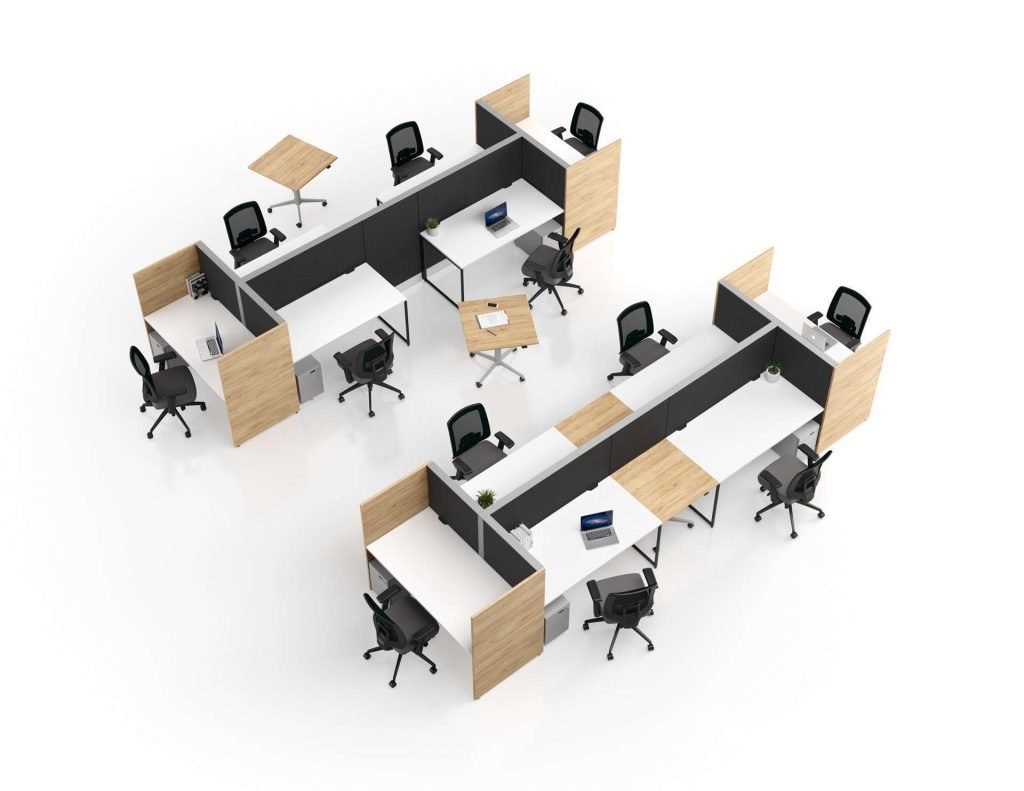
Executive & Booth-Style Cubicles
Larger Footprints for Privacy
- 9′×12′
- 82.5″ panels
These mimic private offices and are perfect for managers, HR, and sensitive-data teams.
Custom Cubicle Designs for Brand Identity
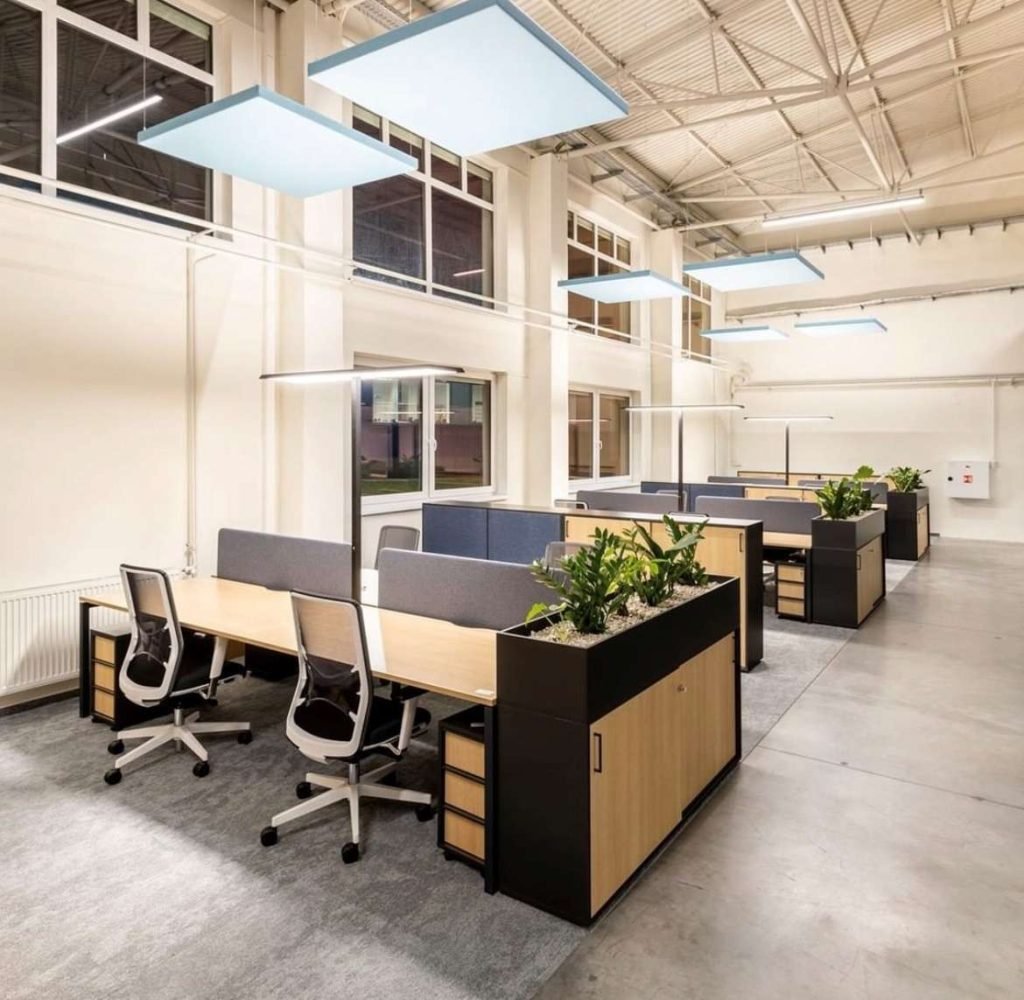
Custom cubicles allow businesses to tailor:
- Colors
- Materials
- Accessories
- Extra storage
- Panel heights
This improves branding and employee experience.
Understanding Cubicle Panel Heights
Low Panels (41″)
Great for visibility and team communication.
Medium Panels (53″)
Provide privacy when seated.
High Panels (65″)
Ideal for quiet, focused work.
Enclosed Panels (82.5″)
Used for private office pods.
How to Choose the Right Cubicle Size
Assess Your Office Culture
Collaborative offices → Low panels
Quiet work → Higher partitions
Department Requirements
- IT teams need more desk space
- Customer service thrives in smaller cubicles
- Managers often require larger footprints
Work Surface Models
Standing desks? L-shaped desks?
Choose cubicles that support them.
Acoustics
Loud areas benefit from tall panels and acoustic materials.
Storage Needs
Choose cubicles that offer shelves, cabinets, or drawers.
Sample Floor Plan Layouts for Different Industries
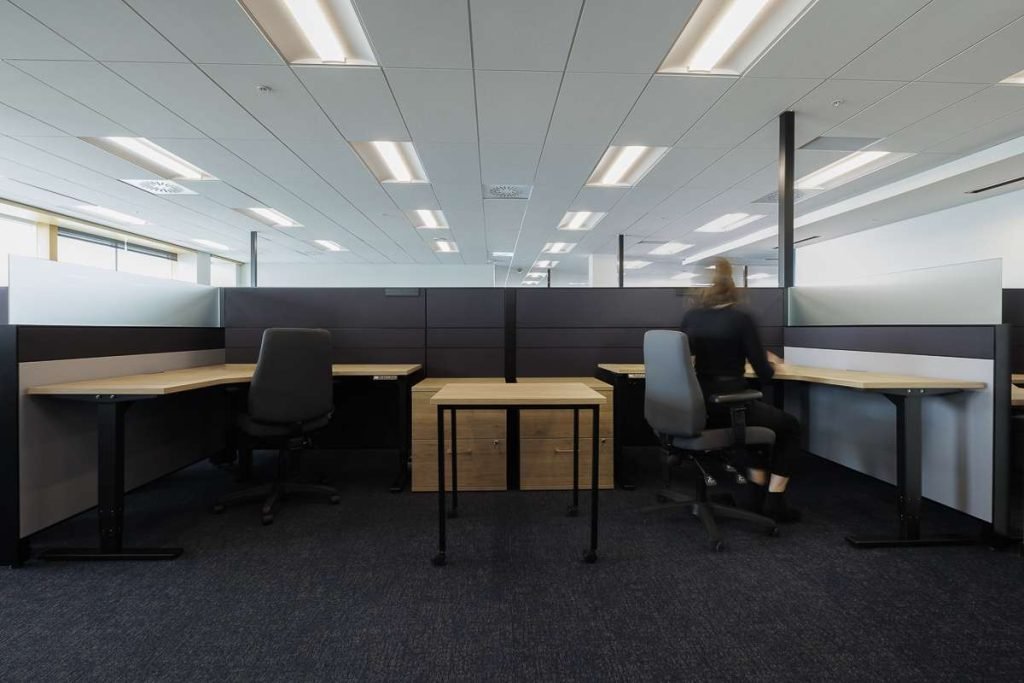
Tech Startup
Open, modular, collaborative clusters.
Corporate Offices
Standard cubicles with mixed-height panels.
Healthcare Support
Medium to high partitions for privacy.
Cost Considerations When Choosing Cubicle Sizes
Factors that affect cost:
- Dimensions
- Materials
- Panel height
- Cabling & power options
- Storage add-ons
Smaller cubicles cost less but may sacrifice employee comfort.
Mistakes to Avoid When Selecting Cubicle Sizes
Overcrowding the Office
Too many cubicles shrink aisles and reduce accessibility.
Ignoring Employee Input
Employee feedback leads to better layout decisions.
Frequently Asked Questions
1. What is the most common cubicle size?
The most common size is 6′×6′, offering a balance of space and efficiency.
2. How big should a manager’s cubicle be?
Managers typically need 8′×8′ or 9′×12′ for extra equipment and meeting space.
3. What is the smallest cubicle size available?
Call center cubicles can be as small as 4′×2′.
4. What cubicle height is best for privacy?
High panels (65″) offer the best mix of acoustic and visual privacy.
5. Are modular cubicles better than standard ones?
Modular cubicles work best for teams needing frequent collaboration.
6. Can I customize cubicle colors and materials?
Yes—custom cubicles allow full control over colors, finishes, and accessories.
Conclusion
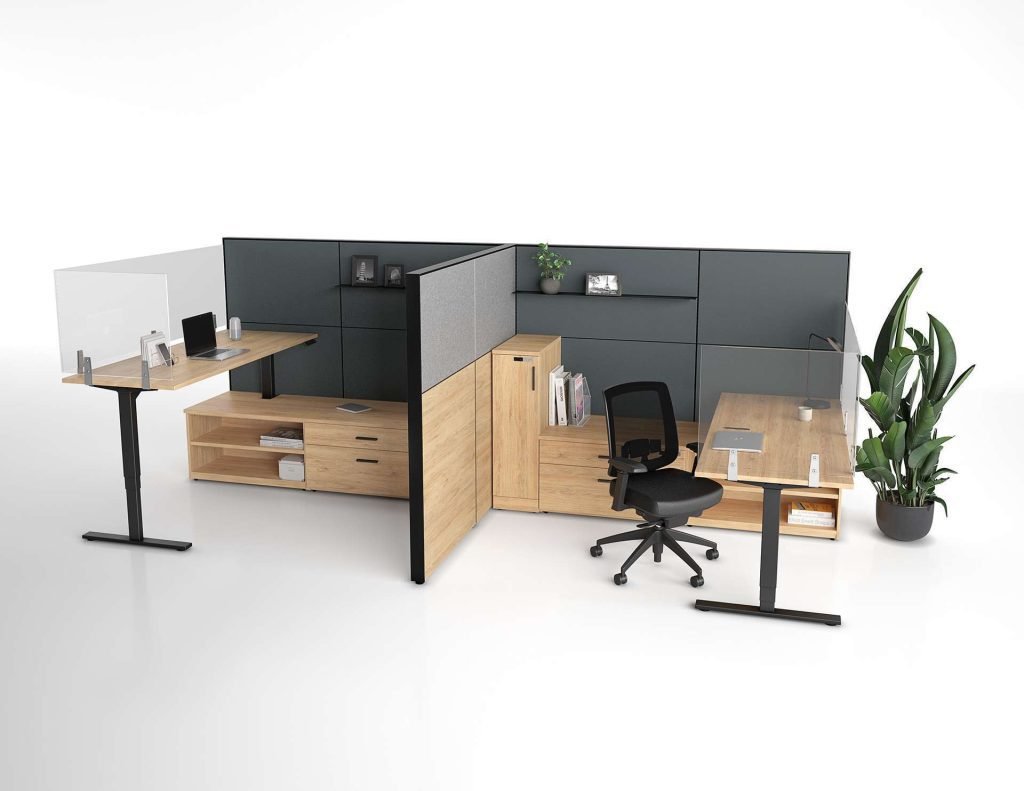
Choosing the Right Size Cubicle for Your Office requires balancing employee comfort, space efficiency, and department-specific needs. Whether you choose standard sizes, compact call center stations, collaborative modular packs, or full executive pods, the right configuration can completely reshape your office environment.
Want help designing cubicles?
As you consider enhancing or creating your office space, remember that the right environment can significantly impact your team’s productivity and morale. We invite you to visit Interior Avenue, where you’ll find not just affordable office cubicles, but solutions that elevate your workspace. Explore our range, consult with our experts, and make the decision to transform your office into a dynamic, efficient, and pleasant environment. Let’s create a workspace that resonates with your business’s ethos and drives its success.
For office furniture rentals consider Interior Avenue for fast and affordable office furniture.
We have 3 options to buy:
Purchase upfront– Pay upfront for your office furniture to be delivered and installed.
Rent to own– We help you break up the payments to help with cash flow. This service includes delivery and installation.
Subscription rental– Monthly payments that include delivery and installation and when your subscription is over we will take back the furniture and move it out of your office space for free.
Book a consultation here.
